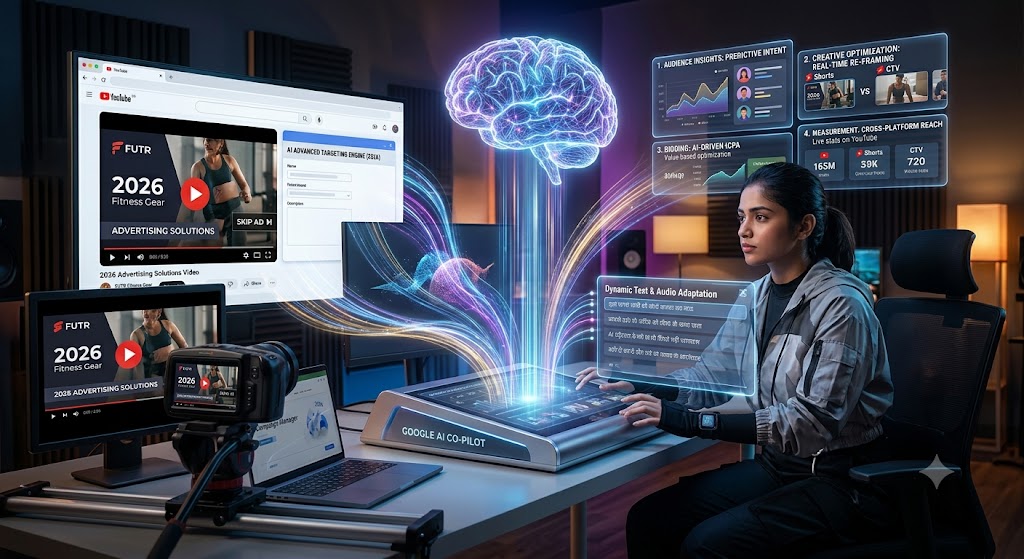







Want to attract qualified traffic that can turn into leads and customers? Paid advertising can help you reach people who are already interested in what you offer. YouTube Video Ads can be a cost-effective advertising option for businesses looking to reach a large audience without facing the same level of competition found on some other platforms.
Does that mean Facebook, Instagram, LinkedIn, or Pinterest are not effective? Absolutely not! Each platform has its own strengths and audience. But YouTube gives businesses another powerful opportunity.
- Reach a massive audience
- Target people based on interests and intent
- Build brand awareness through video
- Generate qualified traffic
- Potentially achieve results at a lower advertising cost
The goal is not to choose one platform blindly. Choose the platform that matches your audience, budget, and marketing objective.YouTube Video Ads can turn attention into traffic, traffic into leads, and leads into customers. It’s not hype… It’s actually on the ground.
YouTube ad formats
- Skippable in-stream ads (pay after 30 seconds viewed or interaction)
- Non-skippable in-stream ads (pay per 1000 views)
- Bumper ads (6 sec non-skippable)
- Discovery ads (text/image in search results)
- Sponsored cards (pop-up info cards)
- Overlay ads (banner ads on the bottom 20% of video)the
Best Practices for YouTube Advertising
- Upload the video ad content first before launching the campaign
- Create a new Google Ads campaign and choose the appropriate ad format and targeting
- Hook viewers in the first 5 seconds for skippable ads
- Use non-skippable ads to ensure brand exposure
- Leverage discovery ads to promote video content
- Combine ad formats for maximum impact
Overall, YouTube advertising can be highly effective when executed properly, allowing businesses to leverage the platform’s massive user base and engage with their target audience in various ways. The key is understanding the different ad formats and using them strategically to meet campaign goals. The key is to combine smart targeting, compelling video content, and continuous optimization to make your YouTube advertising campaign a success. Stay flexible and test different approaches to find what works best for your business.
YouTube is Changing the Way Creators and Brands Grow-
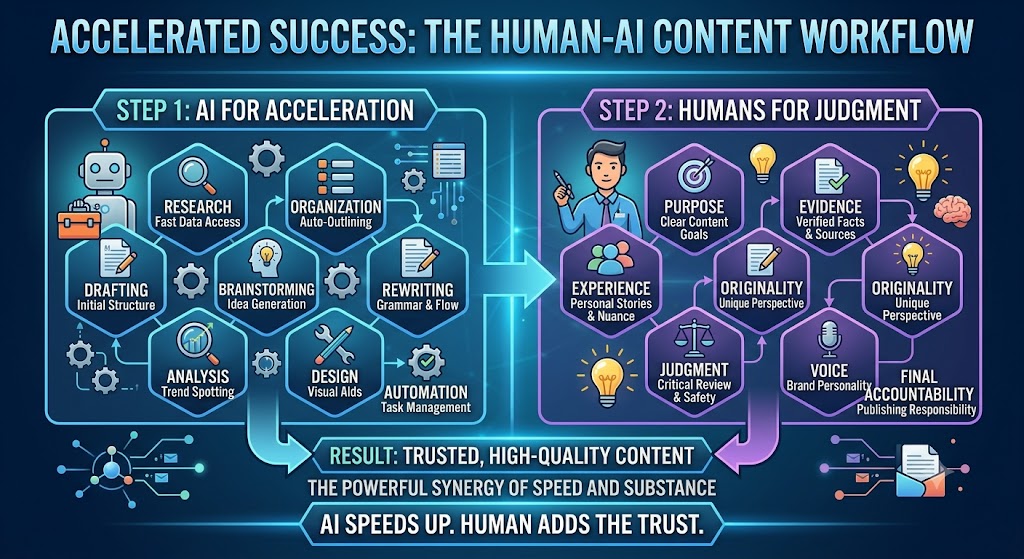
YouTube is becoming more than just a video-sharing platform. It gives creators and brands more tools to create, test, promote, and measure content. One important change is the growing use of AI tools. Creators are getting help with brand pitches, video ideas, thumbnails, Shorts, and channel decisions. YouTube is also making it easier for brands to see how sponsored content performs.
Another useful development is video testing. Creators can test different versions of the same video and compare their performance. This can help them understand which version keeps viewers engaged instead of relying only on guesswork.
YouTube is also putting more focus on original content. Re-uploaded or copied content may receive less visibility, while original creators could get better opportunities to reach audiences.
For businesses, YouTube Video Ads remain an important opportunity. They help brands reach people who are already interested in specific products, services, or topics. However, YouTube should not be viewed as automatically better than Facebook, Instagram, LinkedIn or Pinterest. Every platform has different audiences and strengths.
The bigger change is that advertising itself is becoming more interactive. AI-powered features may allow viewers to ask questions about products while watching ads. This means advertisers need to provide clear product information, accurate claims, useful answers, and supporting proof.
The Real Challenge
More tools do not automatically create better results. Creators still need to understand their audience, create original content, and study performance data. Brands also need to think beyond views and clicks.
The important question is:
What happens after someone watches the video?
Do they visit the website?
Do they become a customer?
Do they join the community?
Do they return for the next launch?
YouTube is giving creators and advertisers more tools. But the real advantage will come from knowing how to use those tools strategically. Tools can create opportunities. Strategy turns those opportunities into results.
Shift: From Views to Conversion Infrastructure
The old YouTube video ads strategy was simple: Make great videos $\rightarrow$ Get passive views. Today, getting views isn’t enough. The creator economy is shifting from top-of-funnel reach to post-view infrastructure—turning casual viewers into a loyal, long-term community.
Old Playbook vs. Modern Answer System
The Old Playbook: High Visual Production – Passive Impressions
The Modern System: A/B Testing & Product Integration – Interactive Conversational AI – Long-Term Community & Retention
3 Key Takeaways for Creators & Brands
Design for Interactive Systems: Test hooks with A/B editing and structure videos to trigger direct viewer questions via AI features.
Pre-Empt Objections: Ensure product claims, pricing, and visual proof match interactive feeds so viewers can convert directly inside the video context.
Focus on Post-Click Value: A view is just the start. The real goal is retaining audiences across launches, communities, and future drops.
Production Strategy: Designing for Systems, Not Just Aesthetics
YouTube’s latest algorithm updates focus on original content signals while suppressing low-effort re-uploads. Creators must replace generic production with clear structure and testable elements.
A/B Testing Beyond Thumbnails
Video edit testing allows up to three versions per upload. The opening 15-second hook is now a measurable variable. Creators should test hook styles (problem-first vs. result-first) instead of guessing.
Building an “Answer System”
Conversational AI next to video feeds means viewers can interrogate product claims directly. Creative briefs must evolve from aesthetic showcases into functional system design:
Visual Proof Points: Call out specific product features on screen so viewers have precise context to ask follow-up questions.
Data & Pricing Alignment: Ensure video claims match feed metadata, price tags, and inventory status in real time.
Objection Pre-emption: Use the video script to surface common purchase objections, allowing the accompanying AI layer to provide verified answers and direct proof points.
Creator Business Ops: Monetization Beyond One-Off Deals
Platform tools like automated brand brief AI and one-click performance verification reduce pitching overhead, shifting focus toward campaign durability and long-term brand alignment.
| Operational Area | Traditional VOD Approach | Modern Dynamic Approach |
| Sponsorship Integration | Burned-in, static product placements | Dynamic brand segments swappable across catalog backlogs |
| Performance Reporting | Manual post-campaign screenshots and PDFs | First-party view codes directly shared with brand partners |
| Paid Media Amplification | Negotiated separate whitelist licensing | One-click boost authorizations for brand-backed ad spend |
Search Engine Intent vs. Social Media Distraction
Social Media (Distraction)
Users are casually scrolling through posts about what friends are eating or doing. Your ad is an interruption that tries to divert their attention.
YouTube (Intent)
Users actively type specific keywords into the search bar. They are looking for a solution, a tutorial, a review, or a specific product. Your ad meets them when their intent is high.
“Free” Benefit
Think of it like TV advertising. When a TV commercial plays, you are made aware of the product, even if you don’t buy it right away. TV advertisers spend millions on this “awareness.”
On YouTube video ads, if a viewer watches your 30-second ad for 25 seconds and then skips, you have delivered a compelling message to a targeted user, and you are charged absolutely nothing. YouTube lets you build the same powerful brand awareness as a multi-million-dollar TV campaign, but with the ability to reach a precise, interested audience, and with a significant portion of your exposure coming at zero cost.
Building a Huge Audience through “Influencers” and Affiliate Marketing
The old-school approach to influencer marketing is becoming obsolete. The days of chasing individual creators, begging them to promote your product, and negotiating tedious sponsorship deals are over. YouTube advertising offers a far more powerful, scalable, and direct path to the exact audience you want.
Influencer Audience, Without the Middleman
We owe a debt of gratitude to the biggest YouTube creators, the “super-affiliates” and influencers who have spent years building loyal, massive, and highly-engaged audiences of millions. They have done the hard work of gathering your ideal customers into one place. The genius of YouTube Video Ads is that you don’t have to work with the influencer; you can simply work around them to reach their audience directly.