



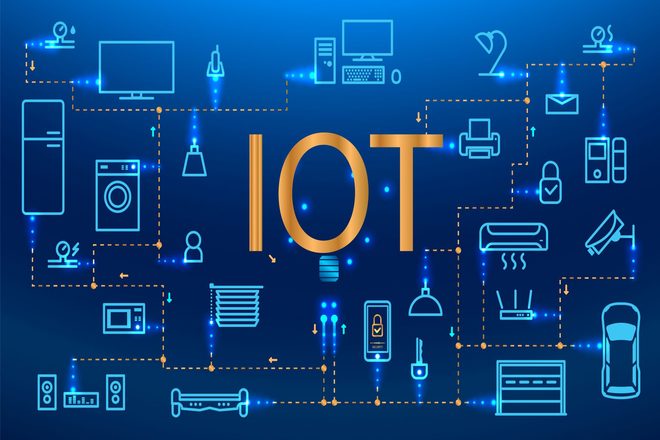
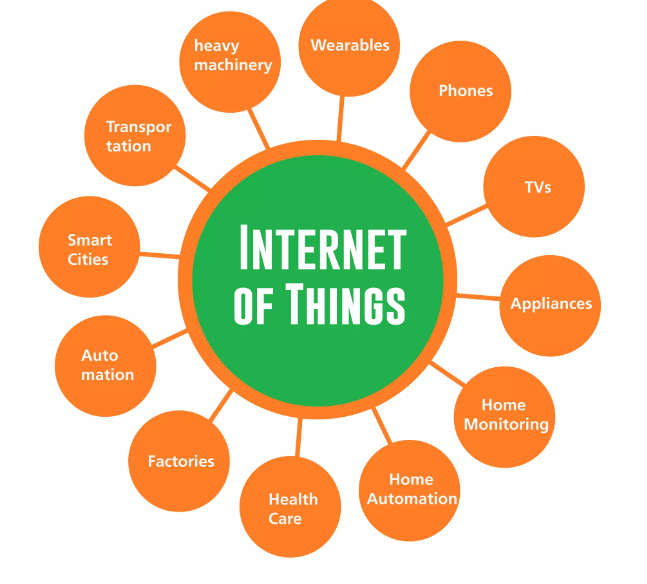
The Internet of Things is a buzzword these days, and it symbolizes the expansion of technology and has enabled human beings to develop connections and swap data via many electronic devices. The Internet of Things refers to everything that is connected to the web. What are Internet of Things applications?
Any device that is connected to the web, whether it is a mobile, PC, tablet, camera, or headphone, is part of IoT. The Internet of Things is being used in multiple industries rapidly and in unprecedented ways, as it offers greater control and automation. What are the Internet of Things applications?
What is the Internet of Things (IoT)?
In simplest terms, the technology can connect any type of device to the Internet, and those devices can also be connected to other devices. The Internet of Things refers to an intricate network of things that are connected. This network collects and shares data.
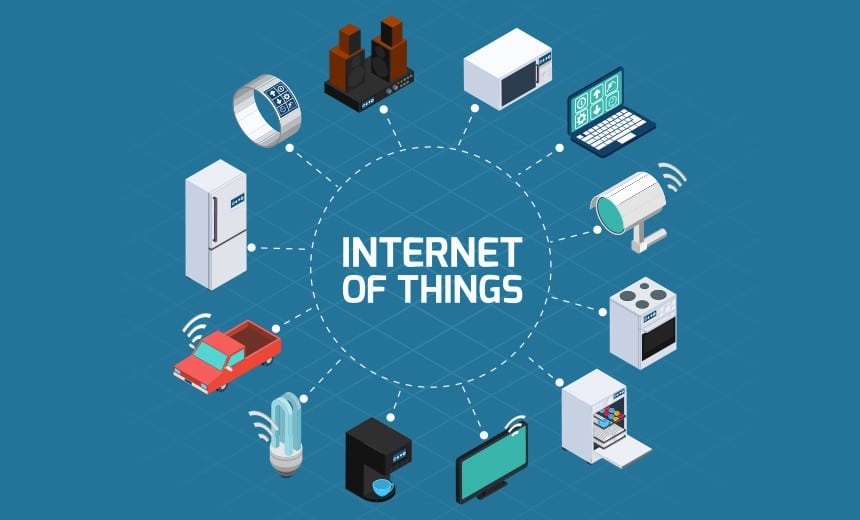
Smart connected devices, scalable cloud computing, and omnipresent wireless connectivity have created IoT platforms. Several objects are included in IoT platforms, such as wearable devices, complex sensors, microwaves, and self-driving cars etc.
The IoT platforms are helping organizations monitor, control, optimize, and automate their operations that weren’t possible earlier. Now, a situation arises when a growing number of public and private entities are demanding how they can use the Internet of Things to transform their traditional business models and bring operational efficiencies while creating advanced value sources.
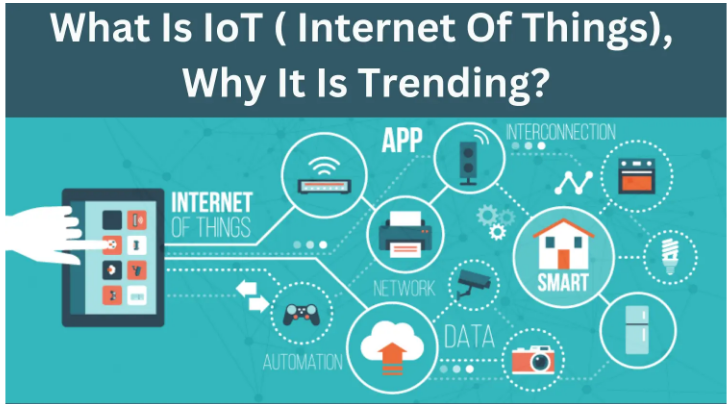
The Internet of Things (IoT) is reshaping how organizations manage their assets, optimize operations, and empower their teams. By connecting a vast network of physical devices, IoT provides real-time data and automation capabilities that drive efficiency and intelligent decision-making.
Enhanced Asset Management and Field Operations
IoT brings unprecedented clarity and control to asset tracking and maintenance:
Real-Time Tracking – Organizations can track assets in real time, gaining immediate visibility into their location and status, which leads to more effective use of their field team.
Predictive Maintenance (PdM) – Leveraging embedded sensors, the predictive maintenance technique allows for the anticipation of equipment failure. This approach helps reduce downtime significantly by enabling teams to replace parts before they fail.
Process Automation – IoT systems are inherently capable of automating predictable and repetitive processes, freeing up human employees to focus on complex, high-value tasks.
Components of IoT
The component of the Internet of Things refers to the following:
- Device Connectivity
- Smart devices and Sensors
- IoT Gateway
- Cloud
- IoT collects a massive amount of data from the users, devices, and applications, which have to be managed efficiently, i.e., which can only be possible through the cloud.
- Analytics
- User interface
Why is IoT important?
The simplest advantage of IoT is to help people to live and work, and it allows human beings to gain desired control over their lives. IoT devices automate homes, and similarly, IoT is also important for businesses.
IoT offers businesses and organizations a real-time look at how their systems are performing. It offers real-time data, starting with the performance of the machines, to logistics and supply chain operations.
The Internet of Things automates the processes and minimizes labor costs. It reduces wastage and enhances service delivery so that the production costs get reduced and brings great transparency in customer transactions with quality products and services.
Therefore, nowadays IoT has emerged as one of the most essential technologies of everyday life, and more businesses are realizing the effectiveness of connected devices in transforming their business operations.
How does it work?
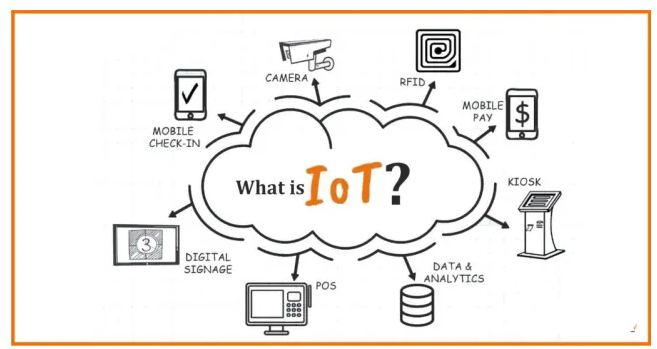
The devices or objects endowed with complex sensors get connected to the IoT platform. This platform assimilates data from various devices and puts analytics to work for sharing the most valuable data with the applications built for solving specific needs.
These IoT platforms are very capable of accurately identifying which of the data is valuable or which is to be securely ignored. This data will be used to find out patterns, give suggestions, and spot problems before they arise.
The data gathered by the connected devices helps us to make smart decisions, based on real-time data that is useful in saving time and money. The in-depth insights provided by the latest analytics aid in the processes to become more efficient. Smart objects and systems would mean that organizations or individuals can automate repetitive, boring, time-consuming, or risky tasks.
IoT and Business Communication
The IoT environment comprises internet-aided smart devices with the use of embedded systems like sensors, processors, and communication hardware. These systems collect, send, and act on the data that they bring from their respective environments.
These IoT devices share the data that they collect via sensors by remaining connected to the IoT gateway or other edge devices. These collected data are either sent to the cloud for analysis or local analysis. The specialty of these devices is that these devices perform most of their operations without human intervention. Once these devices are installed and activated, and given proper instructions to access the valuable information.
The networking, connectivity, and communication protocols used in these web-based devices are largely dependent on the particular IoT applications deployed. The Internet of Things can use artificial intelligence (AI) and machine learning to support and streamline data collection and make it dynamic. Check out for Internet of Things applications!
Benefits of the Internet of Things
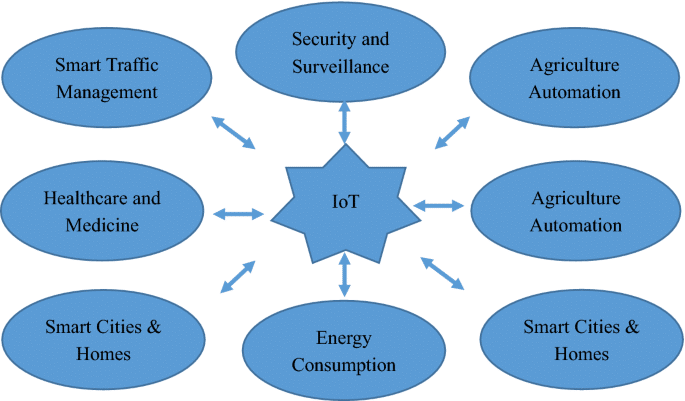
IoT offers options for organizations to rethink their strategies and the way they operate and also provides tools to widen their business processes. It has been seen that IoT is most prolific in manufacturing, transport, and utility organizations that use sensors and other IoT-related devices.
It has also applications in agro, infrastructure, and domestic automation sectors that would lead to digital transformation. IoT is making the farmers’ jobs easier. The sensors are useful in collecting data on climate soil and other factors. The Internet of Things is involved in health, retail, finance, and manufacturing. The major benefits of the Internet of Things refer to :
- To monitor the entire business processes
- Enhancing the customer experience
- Saving time and money
- Increase employee productivity
- Integrate and adapt the business models
- Better business decision-making
- Greater revenue generation
What is the Internet of Things applications?
IoT applications use machine learning algorithms to analyze large amounts of connected sensor data in the cloud. The real-time IoT dashboards and alerts provide visibility into key performance metrics, average stop interval statistics, and other information.
- Smart Home and Office
- Wearable Devices
- Autonomous Driving
- Agriculture and Smart farming
- Industrial IoT for manufacturing
- Disaster management
- Smart Grids and energy management
- Big Data Analytics