


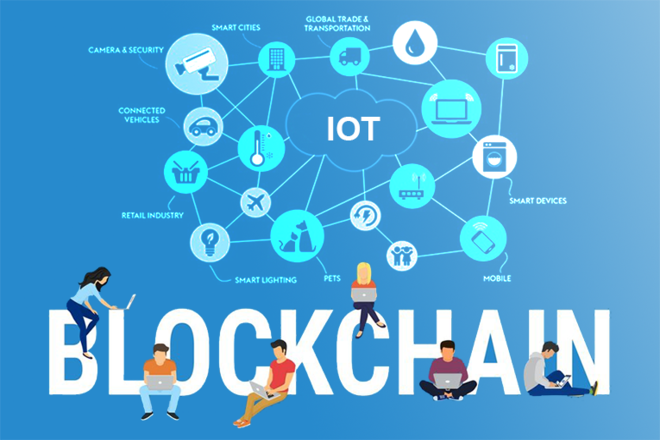
The modern world is deeply intertwined with technology. Two major forces driving this digital transformation are the Internet of Things (IoT) and Blockchain technology. While the Internet connects people, the IoT connects devices. Blockchain, originally for cryptocurrency, is now proving its worth across many industries. When these two technologies combine, they create the Blockchain Internet of Things (BIoT), which promises to solve many of the challenges facing the hyper-connected world.
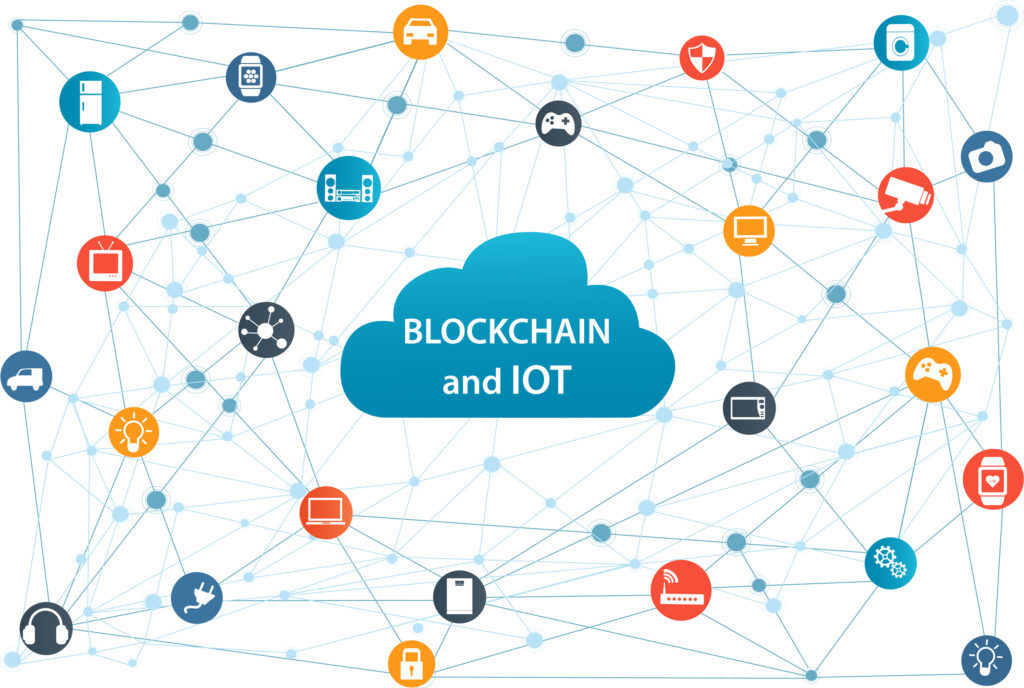
Blockchain and the Internet of Things
The Internet of Things connects everyday devices to the web and to each other. This creates a vast, complex network. These connected “things” collect and share data constantly.
Examples of IoT Devices
Wearable devices: Smartwatches and fitness trackers.
Sensors: Used for monitoring everything from air quality to machinery health.
Smart home appliances: Microwaves, refrigerators, and security systems.
Advanced vehicles: Self-driving cars.
In 2016, about 4.7 billion devices were connected to the internet. Experts predict that nearly 21 billion IoT devices will be connected by 2025. This massive growth means that not only consumers, but also cities and companies, will use smart technologies to save time and money.
Challenges for the Future of IoT
While the future of IoT is bright, there are significant concerns, especially regarding security and privacy-
Cyber-Attacks
The massive network of devices creates a huge target for cybercriminals. Experts fear an increase in Distributed Denial-of-Service (DDoS) attacks. In these attacks, criminals use infected IoT devices like DVRs or cameras to flood a network and take it offline.
Vulnerability
As sensitive data travels through this network, it becomes more vulnerable to hacking and alteration.
Open Source Risks
The clamor for open-source code means that the software running these devices is available to anyone, including those with malicious intent.
The rapid expansion of IoT, along with the rollout of 5G Networks, will bring faster connections but also open up new areas for privacy and security worries. This will likely lead to new legislation and regulatory activities.
What is Blockchain Technology
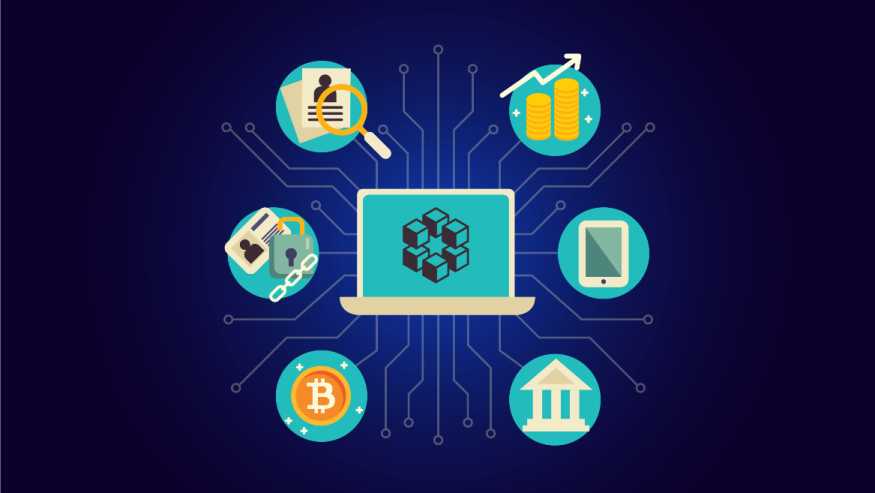
Blockchain is a type of Distributed Ledger Technology (DLT). It was first designed for the Bitcoin cryptocurrency. Its core purpose is to be a platform for the secure transfer of digital data.
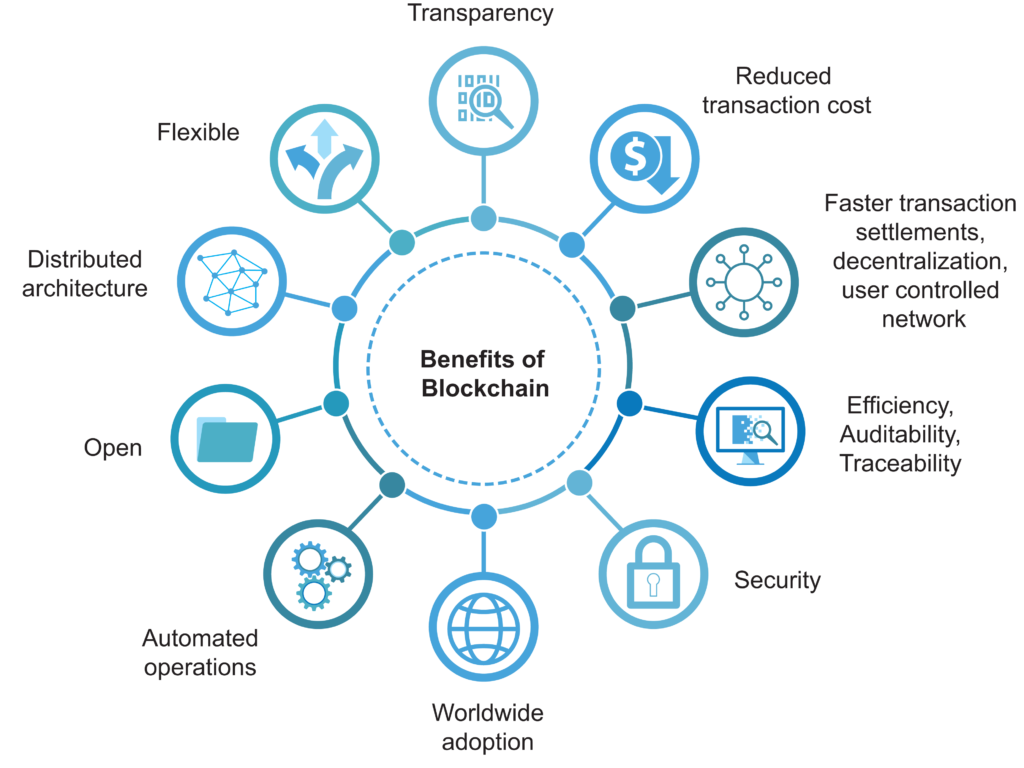
Key Features of Blockchain
Decentralized
It operates without a single, centralized authority, unlike traditional banking systems.
Immutable Record
It’s programmed to record all transactions and anything that has value. Once data is recorded on the blockchain, it cannot be copied or altered, making it highly secure.
Algorithm and Data Structure
It is a specific type of algorithm and data distribution structure that ensures trust and transparency.
The appeal of blockchain has grown far beyond just finance and cryptocurrency. Its strong security features are being applied to various fields like logistics, cybersecurity, and many others.
Defining the Blockchain Internet of Things (BIoT)
Blockchain Internet of Things (BIoT) is the combination of these two major digital transformation technologies. Essentially, it uses the decentralized and secure nature of blockchain to address the vulnerabilities and challenges of the vast and growing IoT network.
The core idea is to use blockchain to create a web of connected devices where transactions (data exchanges) can happen autonomously and securely.
The Combined Effect
The integration of Blockchain and IoT has a revolutionary effect-
Enhanced Security
Blockchain makes sensitive IoT data less vulnerable. Since blockchain records are decentralized and immutable, hacking and altering the data becomes extremely difficult, if not impossible.
Increased Trust and Transparency
The blockchain creates an unchangeable record of every transaction and data point generated by an IoT device. This record is accessible to all necessary stakeholders.
Autonomous Control
Blockchain allows for “smart contracts”—self-executing contracts with the terms of the agreement directly written into code. These contracts can let devices interact and transact with each other in a decentralized way.
User Data Control
BIoT gives the individual user greater control over their own data, which is currently often managed by centralized corporate servers.
Future Applications of Blockchain Internet of Things (BIoT)
The combination of these two technologies will surely revolutionize entire industries. The integration will streamline processes and increase security in many vital sectors.
Supply Chain Management and Quality Assurance
Supply chains are a perfect fit for BIoT because they involve many different parties and critical data points.
Monitoring Perishable Goods
Imagine shipping rare foods or wines. IoT temperature sensors can be installed on the package. These sensors continuously monitor the temperature and send data to a running smart contract on the blockchain. If the temperature drops below an acceptable level, the smart contract automatically notifies stakeholders. Because the data is stored immutably on the blockchain, there is no chance of tampering with the temperature records.
Fleet Management
IoT sensors can track leased trucks, monitoring their whereabouts and path. Key events are recorded on the blockchain, making fleet management easier and leading to fairer, more meaningful billing practices.
Resource Extraction
In oil and water management, IoT sensors can monitor the performance of hauling companies that extract and transport resources. The secure record-keeping on the blockchain ensures accurate monitoring and reporting, even regarding waste disposal and environmental implications.
The Health Sector
The global pandemic highlighted the critical need for a secure and transparent logistics system, especially for vaccines.
Vaccine Distribution
Some vaccines need to be kept below zero-degree temperatures to remain viable. Vaccine producers can install IoT sensors on vaccine packets to track and monitor the location and temperature during delivery. This data is recorded on a blockchain. Distributors can quickly identify and fix problems. When the shipment arrives at a vaccination center, staff can scan it and instantly verify the entire journey’s conditions, ensuring vaccine quality.
Finance and Smart Payments
BIoT is also transforming finance through autonomous, smart payments.
Device-to-Device Transactions
Imagine a smart refrigerator connected to the IoT. It senses when you’re low on milk and automatically places an order with an e-commerce site. The payment is handled securely via a blockchain smart contract.
Satellite Payments
JPMorgan Chase & Co. successfully experimented with blockchain payments between satellites revolving around Earth. The test showed that blockchain networks could enable transactions between devices, allowing satellites to exchange money as they send data to each other. This concept applies directly to the future of autonomous vehicles, which could one day have the capability to buy gas or pay tolls using smart contracts.
Challenges to Complete Blockchain Internet of Things (BIoT) Integration
Despite the immense potential, the full merger of blockchain and IoT faces some major hurdles-
Scalability
With billions of IoT devices generating massive amounts of data, a major concern is whether current blockchain technology can handle the sheer volume of transactions. A vast network of web servers handles the current internet; similarly, the IoT will require a vast network of blockchains to function efficiently.
Impediments to Merger
Today, not all IoT devices are designed to easily “talk” to a blockchain. Creating a universal standard where all these diverse devices can interact on one cohesive blockchain network is a significant technical challenge.
The Internet of Things promises a future of ultimate connectivity and smart efficiency, but it brings with it the risk of heightened security and privacy concerns. Blockchain technology offers the perfect solution: a decentralized digital ledger that can record all transactions from connected devices in a way that cannot be tampered with. While challenges like scalability need to be overcome, the integration of Blockchain and IoT is a certainty, promising to deliver a more secure, transparent, and autonomous digital ecosystem for all.