




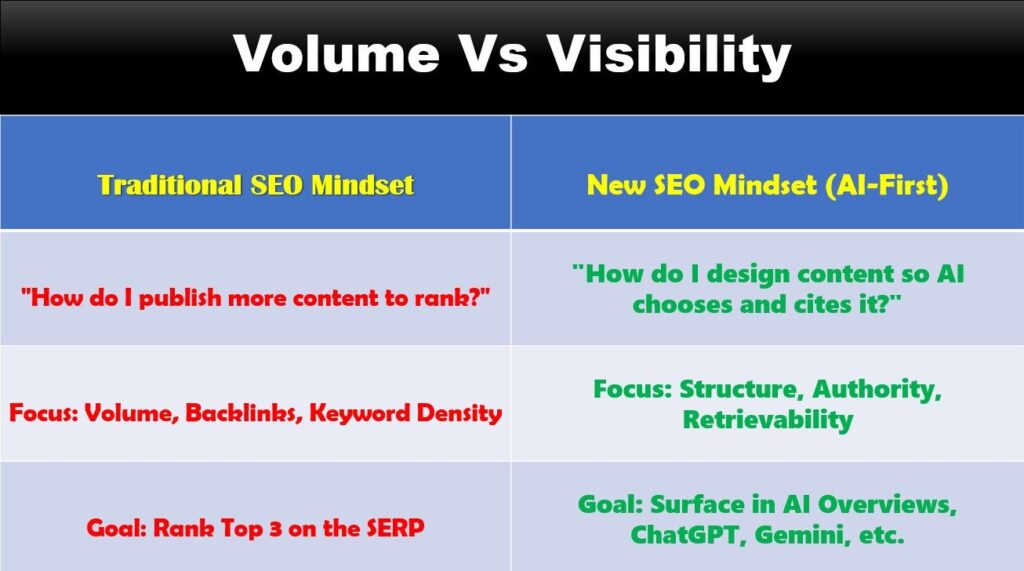
The world of Search Engine Optimization (SEO) is changing rapidly. We have moved past the early days of simply using ChatGPT to draft quick blog posts. Today, we are entering a new era where the goal is to design content that artificial intelligence models will choose, cite, and trust. Do you know AI SEO Automation?
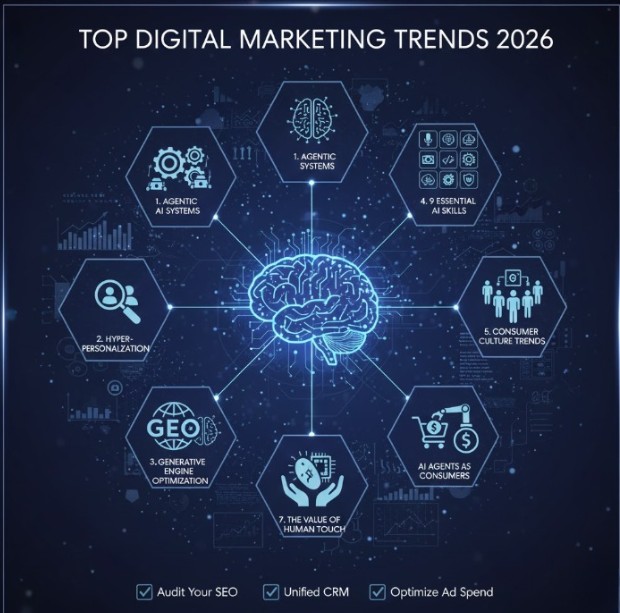
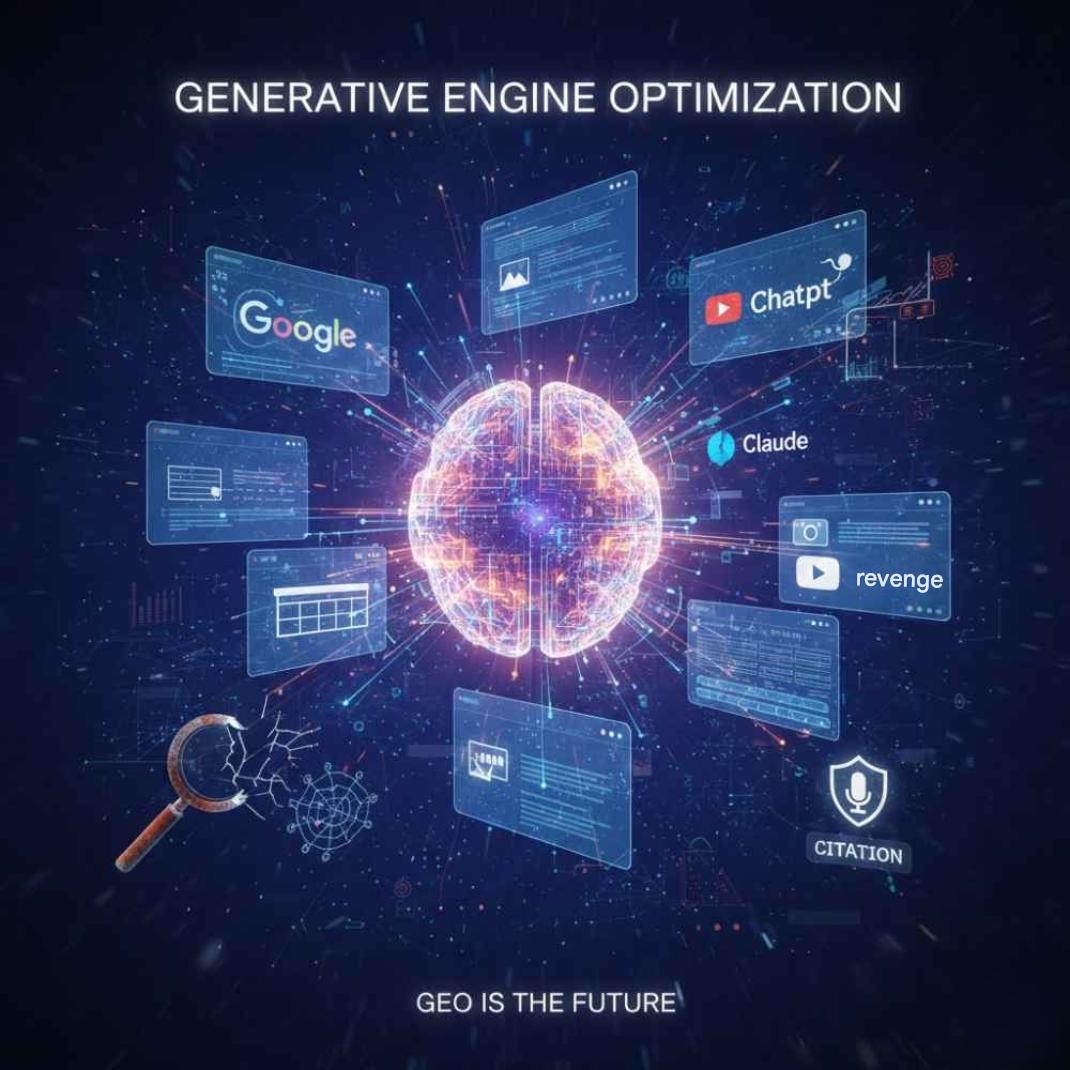
Earlier, the “front page” of the internet was Google’s Page One. Today, the front page is mostly the AI-generated answer at the top of a search result. To stay relevant, marketers must adapt to new tactics like Generative Engine Optimization (GEO) and Answer Engine Optimization (AEO). While these tools offer remarkable speed, they come with specific advantages and challenges.
How to Streamline SEO with AI
To streamline your workflow, you must understand that AI tools do not replace the fundamentals of SEO. Instead, they “compress time.” They allow you to do hours of manual research in just a few minutes. Here is how you can use AI to make your SEO process more efficient-
Keyword Clustering
Instead of looking at individual keywords, AI can group thousands of terms into “clusters” based on user intent. This helps you build a more organized website.
Topical Map Creation
AI helps you visualize all the topics you need to cover to become an authority in your niche. It ensures you don’t miss important subjects.
Content Gap Analysis
AI can quickly compare your website to your competitors. It identifies exactly what topics they are ranking for that you have missed.
Content Scoring
Before you hit publish, AI tools can “score” your content. They check if your writing is deep enough and if it includes the right terms to rank well.

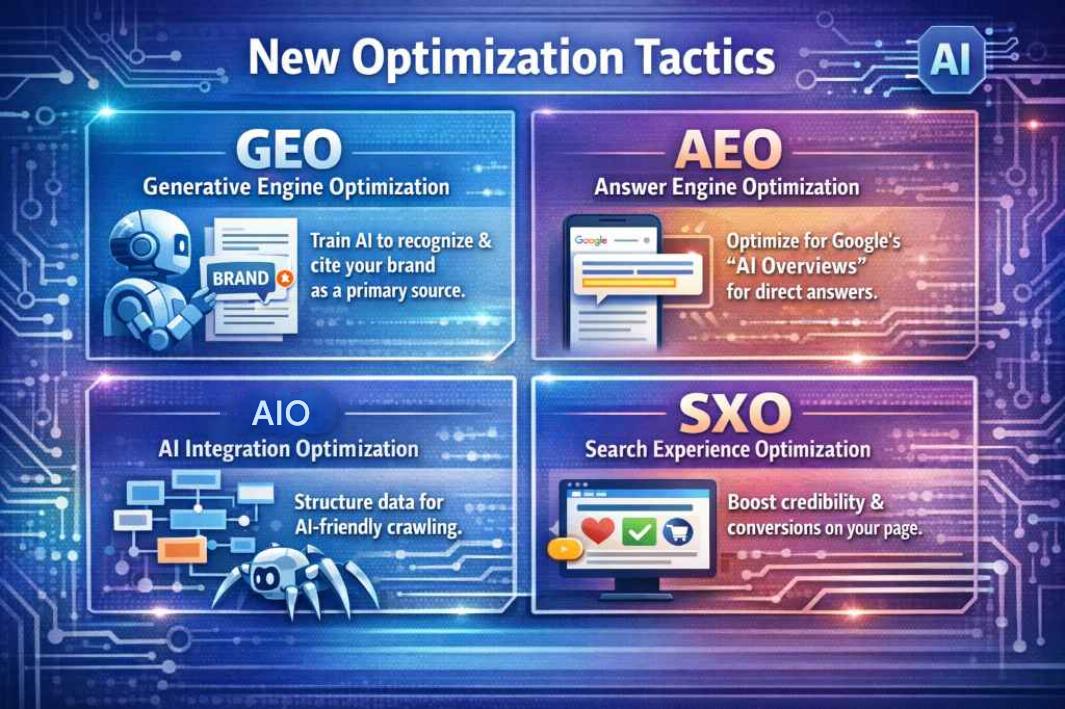
New Optimization Tactics
The shift toward AI SEO automation means we need to focus on four new areas
GEO (Generative Engine Optimization)
This is the process of training AI models to recognize and cite your brand as a primary source.
AEO (Answer Engine Optimization)
This focuses on optimizing your content specifically for Google’s “AI Overviews” so your site provides the direct answer to a user’s question.
AIO (AI Integration Optimization)
This involves structuring your data and content so that AI models can easily crawl and understand it.
SXO (Search Experience Optimization)
This combines SEO with user experience. It focuses on building credibility and making sure users actually convert once they land on your page.
Pros of AI SEO Automation
The biggest advantage of AI is scale. AI can analyze massive amounts of data that a human simply cannot process. It removes the guesswork from SEO. Instead of “feeling” like a keyword is good, you have data-driven proof.
Another benefit is consistency. AI tools can audit your entire website for technical errors or broken links every single day. This ensures your site stays healthy without you having to check it manually. By automating the repetitive tasks, you free up your time to focus on high-level strategy and creativity.
Cons of AI SEO Automation
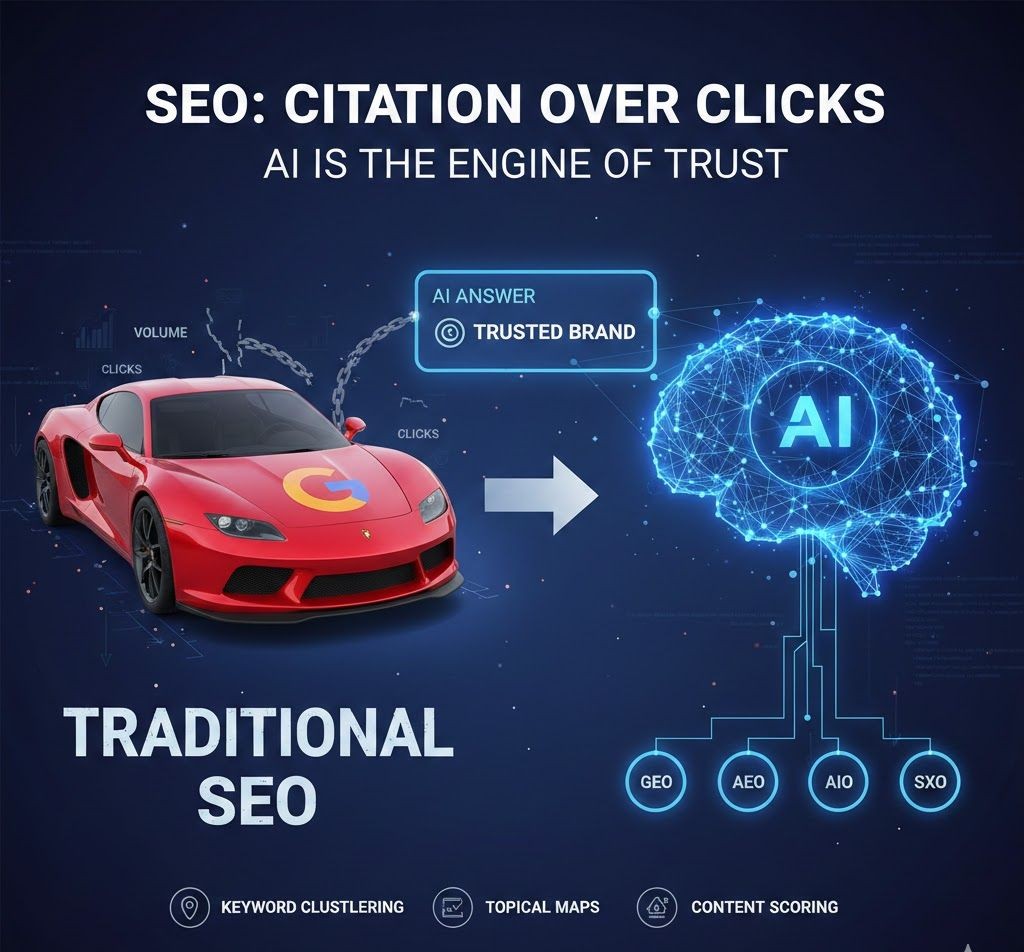
The biggest risk of AI SEO is the “Sports Car” trap. AI content without trust signals is like a sports car with no engine. It looks fast and shiny, but it goes nowhere. Google does not rank content just because it was produced quickly. Google ranks trust. If you use AI to churn out thousands of low-quality pages, your site will likely be penalized. AI often lacks the “human touch,” personal experience, and unique insights that Google’s algorithms look for.
Another downside is the risk of inaccuracy. AI can “hallucinate” or state facts that are incorrect. If your website provides wrong information, your brand’s reputation will suffer. Furthermore, if everyone uses the same AI tools, everyone’s content starts to sound the same. This makes it harder for your brand to stand out.
Backbone: What AI Cannot Replace
Despite the rise of AI SEO automation, traditional SEO still dominates. The “backbone” of a successful website remains-
Authority
This includes your domain history, your backlinks, and your brand signals. AI cannot “fake” a decade of reputation.
Intent Matching
You must solve the user’s actual problem. AI can write words, but it doesn’t always understand the deep emotional or practical needs of a human searcher.
Relevance
Your site needs topical depth. You must prove you are an expert in your field.
SEO is no longer just about chasing clicks. It is about being retrieved, cited, and trusted by both humans and AI. Use AI tools as your “silent partner” to handle the data, structure, and scale. However, always provide the “engine” of trust and human expertise. If you balance automation with authentic authority, you will win the race for the new front page.